
Most Recent

Style Edit: Cartier’s Into the Wild collection blends craftsmanship with rich fauna heritage
At Cartier, the animal kingdom has long been a source of creative inspiration. What began with birds and insects in the early 20th century gradually expanded to include reptiles, big cats, zebras and elephants, establishing a distinctive menagerie in which nature is reimagined through precious materials and exceptional craftsmanship. Now, with Into the Wild, the maison revisits this rich heritage, bringing five striking creatures into focus: the tiger, parrot, carp, crocodile and...

Freelander 8 extended-range EV still possible for Australia
Freelander's Australian boss has left open the possibility of a range-extender joining the plug-in hybrid, with the full local model range yet to be settled.

Chery’s iCaur has no diesel or ute planned, looks beyond boxy styling
iCaur says diesel engines and utes aren’t in its current plans, while its leadership wants future SUVs to share more than the boxy styling of today’s lineup.

Check your tickets! WA’s big Set For Life winner yet to claim mammoth lotto jackpot
One lucky Perth punter has had their life changed forever after nabbing a huge Lotto prize earlier this month — and they might not even know yet.

Nigeria reports first Ebola case in a decade
Nigeria has confirmed an Ebola case in its capital after a woman who arrived from Uganda tested positive for the virus.

Style according to … Anabela Chan, Hong Kong-born jewellery designer
Hong Kong-born jewellery designer Anabela Chan moved to Paris when she was 10 years old. Now based in London, where in her student days she trained as an architect and worked with the late designer Alexander McQueen, Chan is known for striking pieces made of materials such as recycled drink cans and fruit-derived dyes. Here, she shares her favourite finds from London and beyond. Beauty essentials My make-up staples are always Pat McGrath’s eye shadow palettes and liquid eyeliner, and Tom Ford’s...
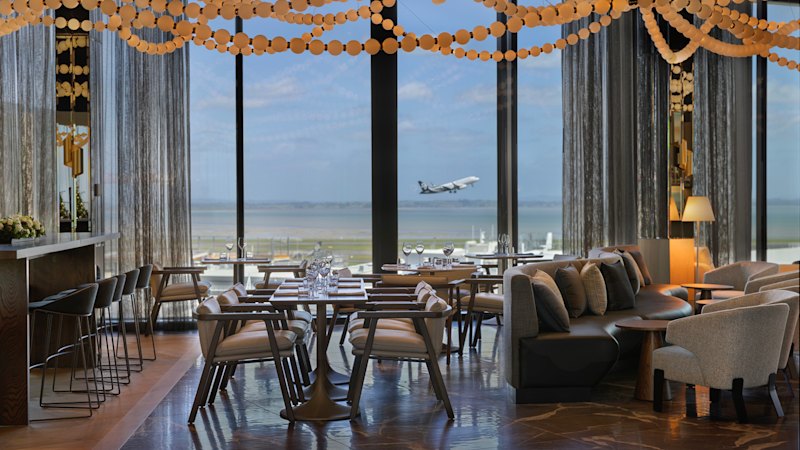
I normally despise airport hotels. This Kiwi stay gets it right
Te Arikinui Pullman Auckland Airport is just across the road from Auckland’s international terminal.

Petrol, diesel drivers should pay road-user tax plus fuel excise in Australia, says one auto brand
Polestar is lobbying for taxation changes that encourage a switch to electric vehicles, including a universal road-user charge to join the existing fuel excise.

Nigeria records first Ebola case as outbreak spreads across Africa
Nigeria has confirmed its first Ebola case in Africa's latest outbreak, while Kenya reported its ninth infection, raising fears of further spread across the continent. Africa CDC chief Jean Kaseya warned of an “extremely serious threat” and urged the international community to send funding, medical supplies and health workers.

How microplastics react with water to damage our bodies and cause inflammation
Plain old water could be responsible for making plastics harmful to people, according to a new study that portends significant consequences for human health. The study, published in the journal Nature, found chemical reactions between water and six types of fossil fuel-based plastic-created particles that damaged red blood cells and proteins in laboratory tests. As plastic in the body breaks down into smaller and smaller bits – known as microplastics and nanoplastics – the potential danger...